Earn more. Learn more.
Choose the path that’s right for you.
Some careers start in the field, working directly on job sites. Others begin in offices, supporting projects through planning, design, coordination, and management.
Understanding what each path looks like helps you choose a direction that fits your skills, interests, and goals.
Field Pathways
(Jobsite + Electrical Construction Careers)
Field pathways are focused on building, installing, and maintaining electrical systems on active job sites.
A common starting point:
Apprenticeship
Many people begin through a registered apprenticeship program, where individuals are employed by signatory electrical contractors and receive paid training from the start. Apprentices develop skills through a combination of:
On-the-job experience on real projects
Classroom instruction through the JATC
Structured supervision and steady progression over time
Additional entry points:
Experienced workers
Field careers also include opportunities for individuals who bring prior electrical experience or are transitioning into the union electrical workforce later in their careers. These pathways recognize existing skills while providing access to continued training, support, and advancement.
-
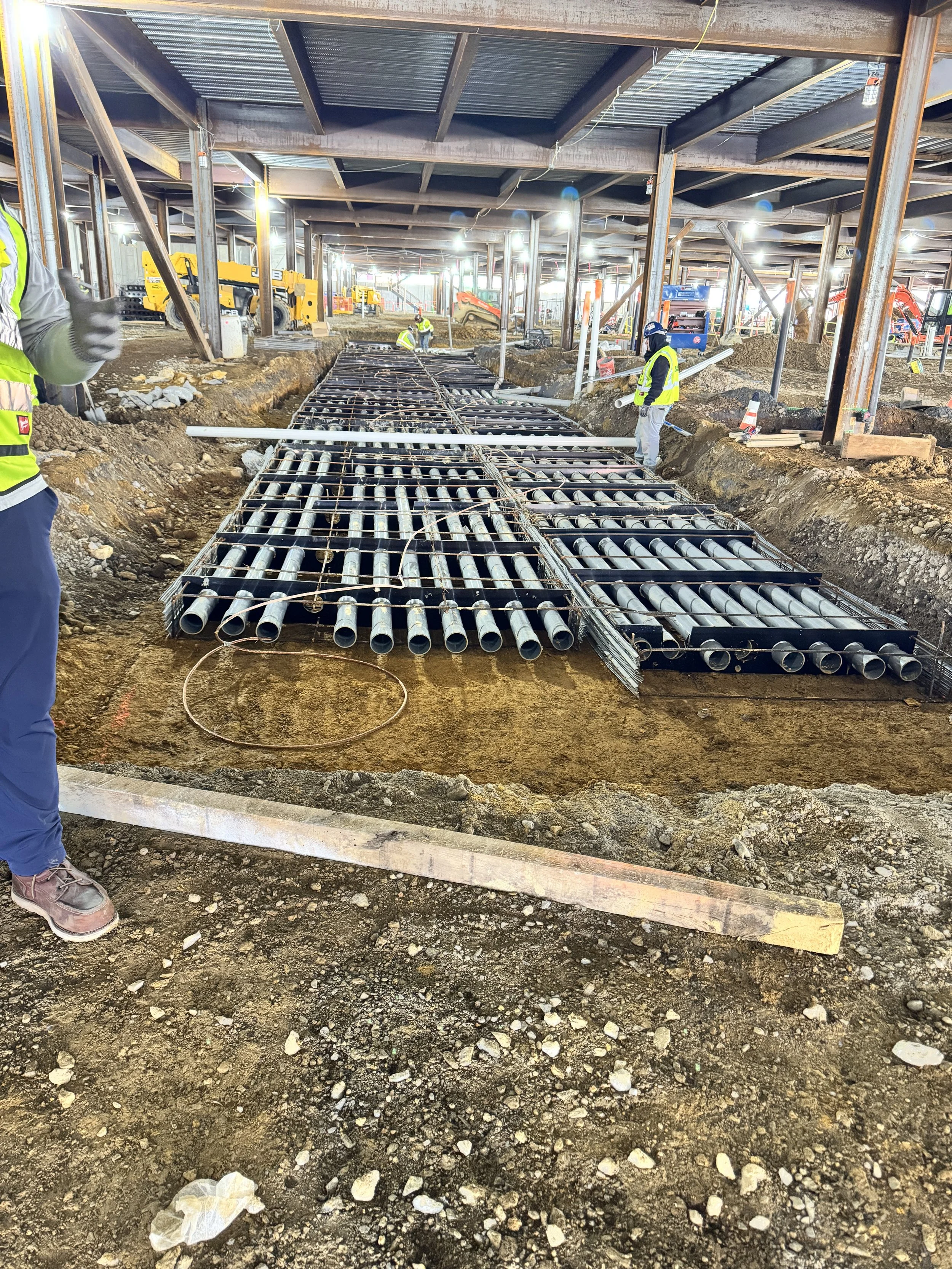
Field electrical careers are hands-on, active, and built around real projects. The work often includes:
Working on commercial, industrial, and residential construction sites
Installing, troubleshooting, and maintaining critical electrical systems
Using tools, reading plans, and following strict safety standards
Working as part of a skilled crew with clear roles and guidance
Seeing visible progress — and real results — every single day
-
Field careers offer a clear path forward with long-term opportunity:
Skills and responsibilities expand with each stage of training and experience
Wages and benefits increase as milestones are achieved
Many electricians advance into roles such as journeyperson, foreperson, or specialty technical positions
Career growth may include opportunities in estimating, project management, or supervisory leadership, depending on your interests
-
Prefer hands-on, physical work over sitting at a desk
Learn best by doing and building real skills on the job
Want structured training tied directly to employment
Enjoy working as part of a team toward a shared goal
Are looking for a career with strong support and clear advancement
Take pride in doing essential work that powers buildings, communities, and everyday life
Does Your Path Begin with Apprenticeship?
-
An electrical apprenticeship is a structured training program that prepares individuals for a career as a professional electrician.
It is a paid position from day one. Apprentices complete a formal training program that combines real job site experience with classroom instruction.
Our apprenticeships are registered programs that follow a multi-year training model designed to build skills progressively and safely.
-
Electrical apprenticeships are built around two core components:
On-the-Job Training
Apprentices work on active construction sites under the supervision of experienced electricians. They gain hands-on experience installing, maintaining, and troubleshooting electrical systems while learning proper tools, safety standards, and best practices.Related Classroom Instruction
In addition to fieldwork, apprentices attend scheduled classes that cover electrical theory, code requirements, safety procedures, system design, and technical knowledge. Classroom learning supports and strengthens what is being practiced in the field.Together, these components ensure apprentices develop both practical skill and technical understanding.
-
An apprenticeship is a long-term career pathway that includes:
A defined training schedule over multiple years
Increasing responsibility as skills develop
Wage progression tied to training milestones
Ongoing support and evaluation
A recognized credential upon completion
-
Receive a paycheck while learning
Build real-world experience on major projects
Develop industry-recognized skills
Graduate as s qualified electrician prepared for long-term career growth
An apprenticeship is designed to help individuals grow from entry-level trainees into highly skilled professionals through structured training, mentorship, and steady progression.
-
Check out our programs for specific application details:
-
If you're interested in a future electrical apprenticeship, there are practical steps you can take now to build a strong foundation.
Focus on Core Classes
Algebra and math courses
Technical or vocational classes, if available
Physics or applied science
Computer or drafting courses
Electrical work relies on math, problem-solving, and technical thinking — building those skills early makes a difference.
Build Work Habits
Show up on time and consistently
Follow directions carefully
Take safety seriously
Practice working independently and on a team
Apprenticeships are structured and professional. Strong habits matter just as much as strong grades.
Explore Hands-On Experience
Shop class or construction-related electives
Job shadowing opportunities
Summer work in construction or related trades
Career and technical education (CTE) programs
Exposure helps you understand whether the work environment is a good fit.
Stay Physically and Mentally Ready
Electrical work can be active and detail-oriented. Staying healthy, focused, and safety-minded is important.
Even if you’re not sure yet, building these skills keeps your options open.

A common starting point:
Education and early career opportunities
Many people enter office-based roles through college programs, internships, or entry-level positions that build skills in construction management, engineering, design, or business operations. These pathways provide exposure to how complex projects are planned and delivered.
Additional entry points:
Industry and field experience
Office careers also include opportunities for individuals who bring prior construction or electrical experience. Many professionals transition into office roles over time, applying their knowledge of the jobsite to project coordination, estimating, leadership, and long-term planning.
Office Pathways
(Planning + Project Support Careers)
Office pathways focus on the planning, coordination, and management work that keeps electrical construction projects moving. These roles connect the office to the jobsite through schedules, drawings, materials, budgets, and execution plans.
-
Office-based electrical construction work often includes:
Managing the details that keep projects moving behind the scenes
Using tools like BIM, CAD, and project management software
Supporting field teams with schedules, materials, and documentation
Estimating and forecasting costs across complex systems
Coordinating across contractors, crews, and project partners
Helping deliver safe, high-quality electrical infrastructure
-
Office careers offer clear advancement and many directions for long-term growth:
Responsibilities expand with experience and project involvement
Skills develop across planning, leadership, technical systems, and operations
Opportunities grow as you take on larger projects, new challenges, and greater responsibility
Many professionals advance into roles such as project manager, estimator, BIM coordinator, or operations leader
Career growth may include specialization, supervision, or broader project and business leadership over time
-
Enjoy organizing, planning, and solving complex problems
Like working with both people and technical details
Like working on fast-paced projects with new challenges every day
Want to support major construction projects behind the scenes
Communicate well and thrive in collaborative team environments
Are interested in leadership, coordination, or long-term project delivery
Take pride in helping bring important work from concept to completion
What’s Next?
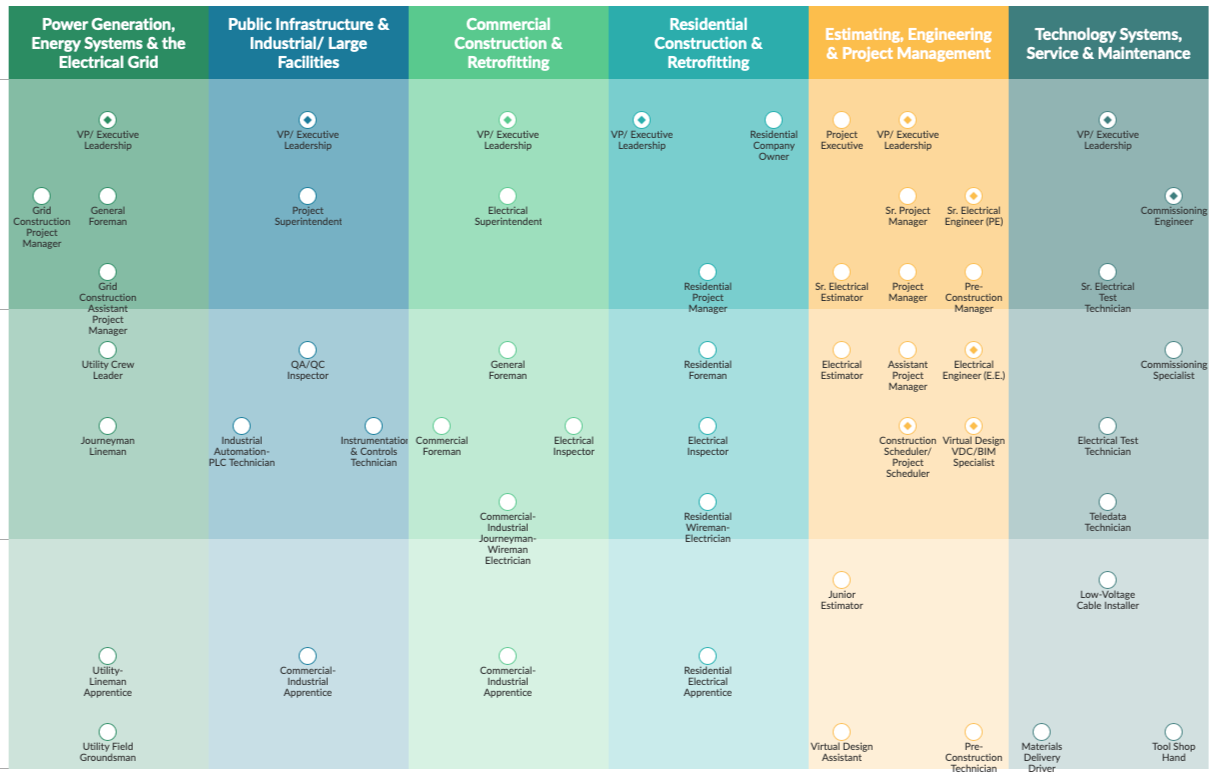
Explore the Career Map
Learn what each role looks like and how the industry fits together.