
Tools, programs, and industry connections to help students explore electrical construction careers
Educators are often the first people students turn to when thinking about their future. NECA and IBEW are dedicated to supporting schools across Western Pennsylvania by providing career resources, classroom connections, and real-world learning opportunities tied to the electrical construction industry.
Whether students are college-bound, apprenticeship-bound, or still exploring, we help schools connect education to high-demand careers.
Career Awareness & School Connections
Schools are encouraged to work with NECA electrical contractors and the IBEW to help students learn more about careers in the electrical construction industry.
Ways to partner:
Classroom presentations or informal career conversations
Student projects or hands-on activities
Connecting students with NECA contractors for internships or full-time roles
Connecting students with the IBEW to learn about apprenticeship options
Talking through ways electrical construction careers could fit into existing curriculum or advising resources
There’s no single starting point. Some schools begin with a one-time visit, others build longer-term relationships — it depends on what makes sense for your students.
Supporting Career Exploration
As students explore different career options, educators often help them reflect on interests, learning styles, and goals — especially when they’re unfamiliar with an industry.
Electrical construction offers a range of career paths, work environments, and entry points. Taking time to reflect can help students better understand whether this field might be a good fit, and what questions they want to explore next.
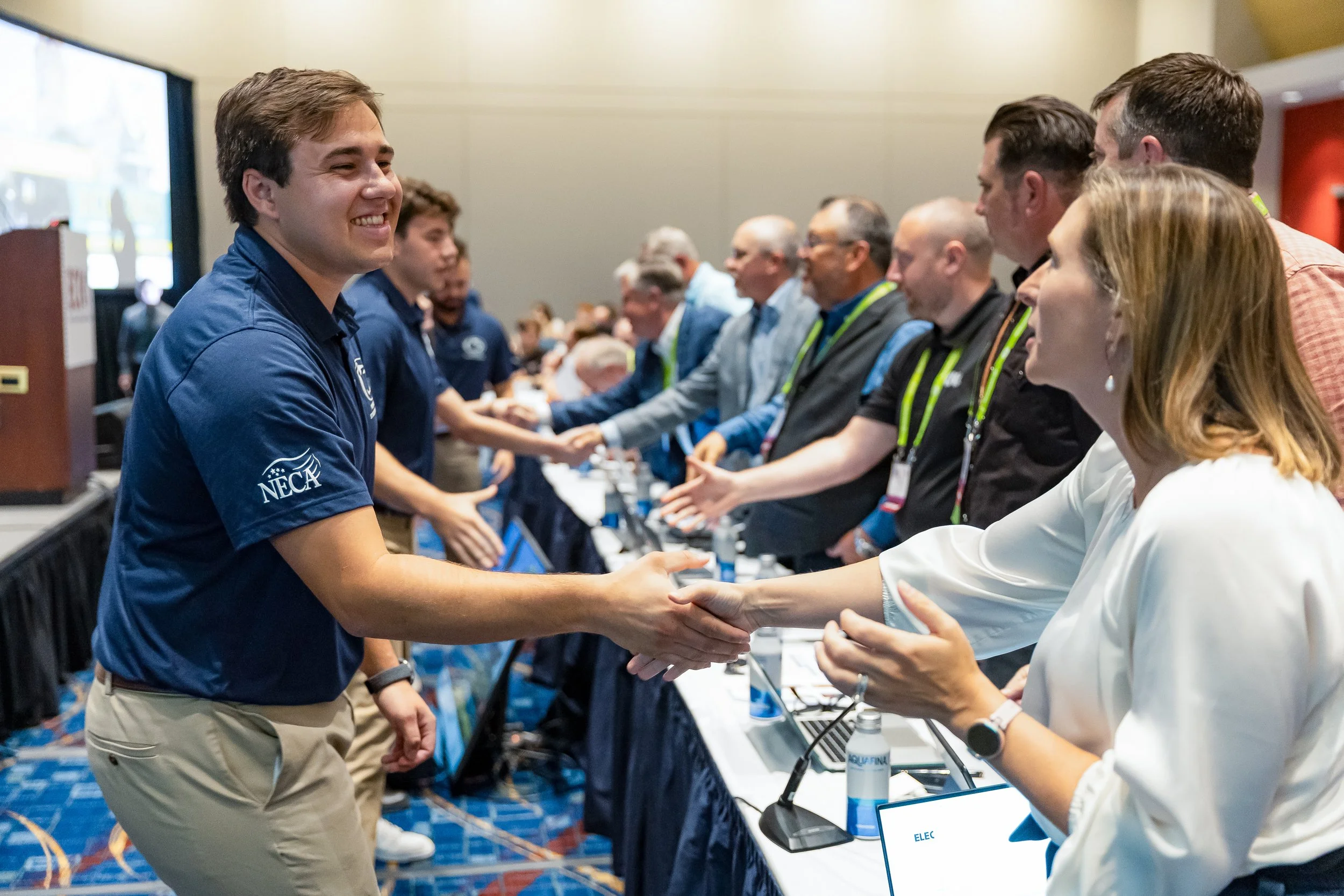
QUestions to Guide Exploration
These questions are meant to spark conversation and help students think through their options:
What types of tasks do you enjoy most — hands-on work, problem-solving, planning, or a mix?
Do you prefer structured environments, variety, or work that changes from day to day?
Are you interested in learning while working, pursuing additional education, or combining both?
What matters most to you early in your career (earning, flexibility, stability, advancement)?
Can you see yourself working in the field, in an office, or moving between both over time?
Encouraging students to reflect on these questions can help them approach career exploration with more clarity and confidence.