
More Powerful than you think
Take a closer look at the industries and infrastructure that depend on electrical construction across Pennsylvania.
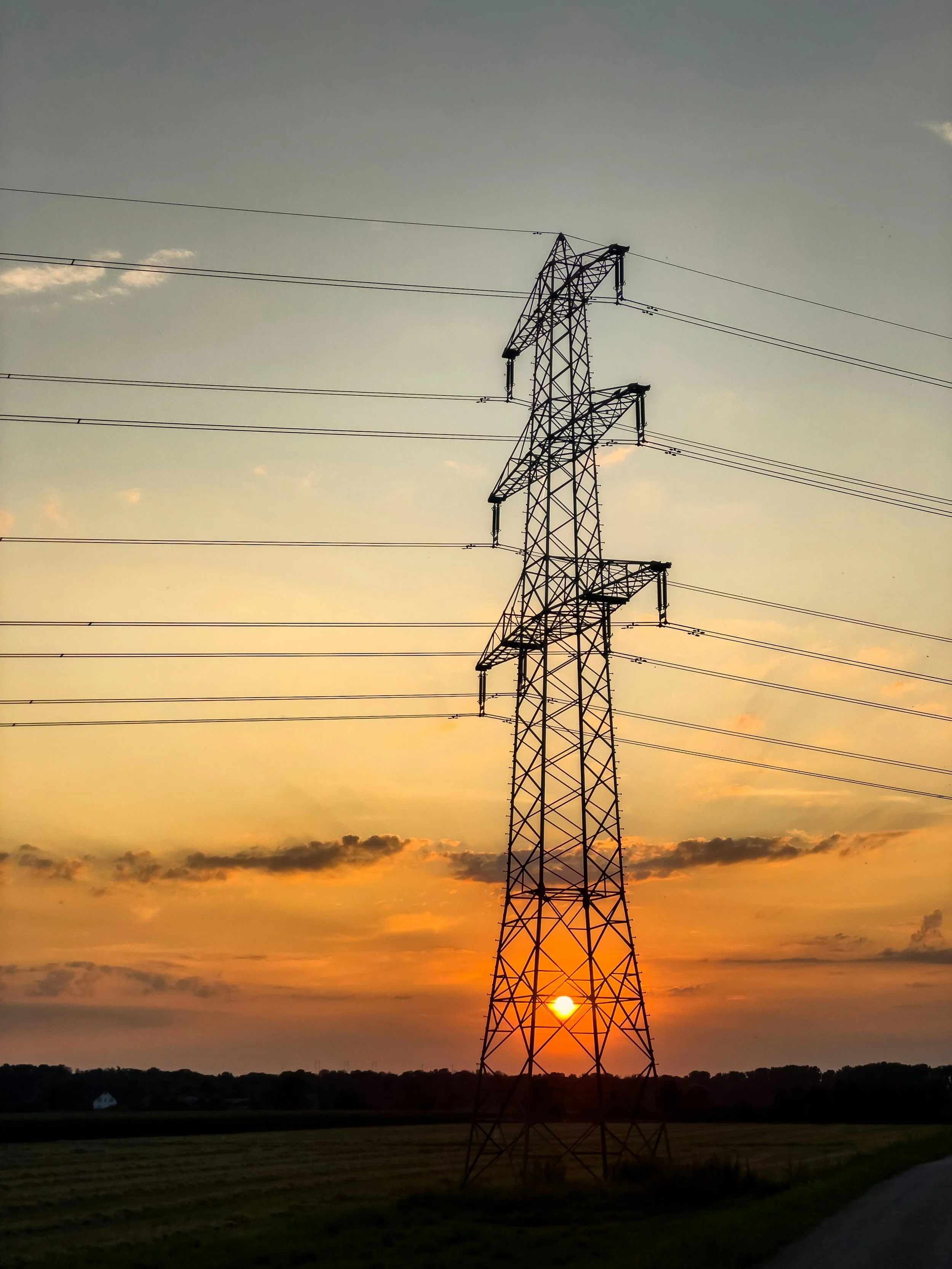
Power Generation, Energy Systems & the Electrical Grid
Power generation and the electrical grid form the foundation of modern life. This sector includes the systems that produce electricity and deliver it across long distances to where it’s needed.
Electrical construction in this space often involves large-scale infrastructure, high-voltage systems, and energy projects that support both traditional and renewable power sources.
Examples include:
Power plants (natural gas, nuclear, hydro)
Utility-scale solar and wind farms
Battery energy storage systems
Transmission lines
Substations
Distribution systems
Grid modernization and resilience projects
These systems are responsible for keeping electricity flowing safely and reliably every day.
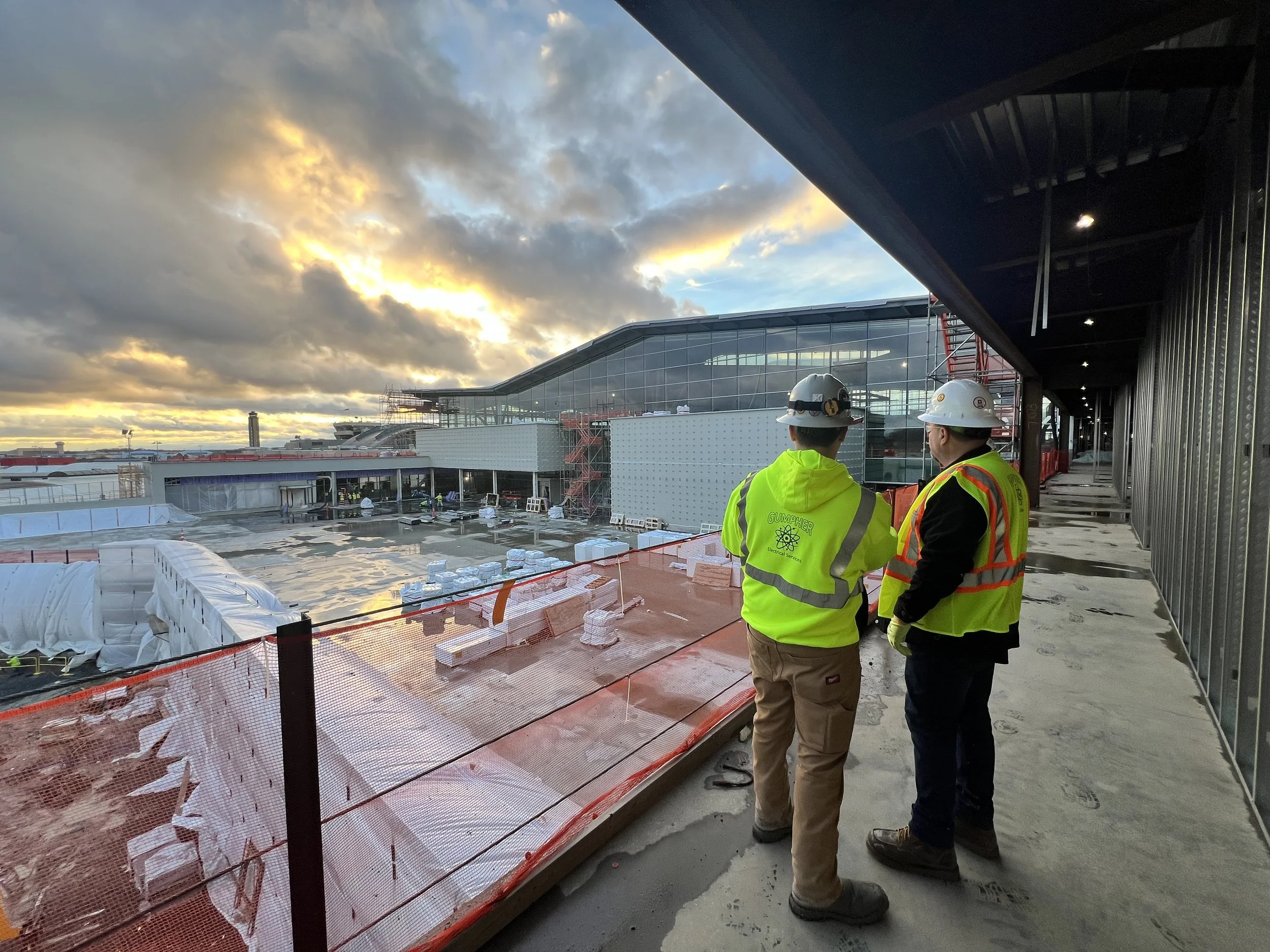
Public Infrastructure & Industrial/Large Facilities
This sector includes major infrastructure and large facilities that play a critical role in how communities function and how the economy operates. Electrical systems in these environments are designed to handle high demand, continuous operation, and complex processes.
This includes mission-critical environments like data centers, where electrical systems must support constant uptime, redundancy, and large amounts of power.
Projects often involve coordination across large teams and may support public systems, industrial operations, or highly specialized facilities.
Examples include:
Highways and intelligent traffic systems
Airports and transit systems
Water and wastewater treatment facilities
Advanced manufacturing and industrial plants
Data centers and mission-critical facilities
Hospitals and research facilities
Universities, stadiums, and large campuses
These projects require highly engineered electrical systems that support large-scale operations and critical services.
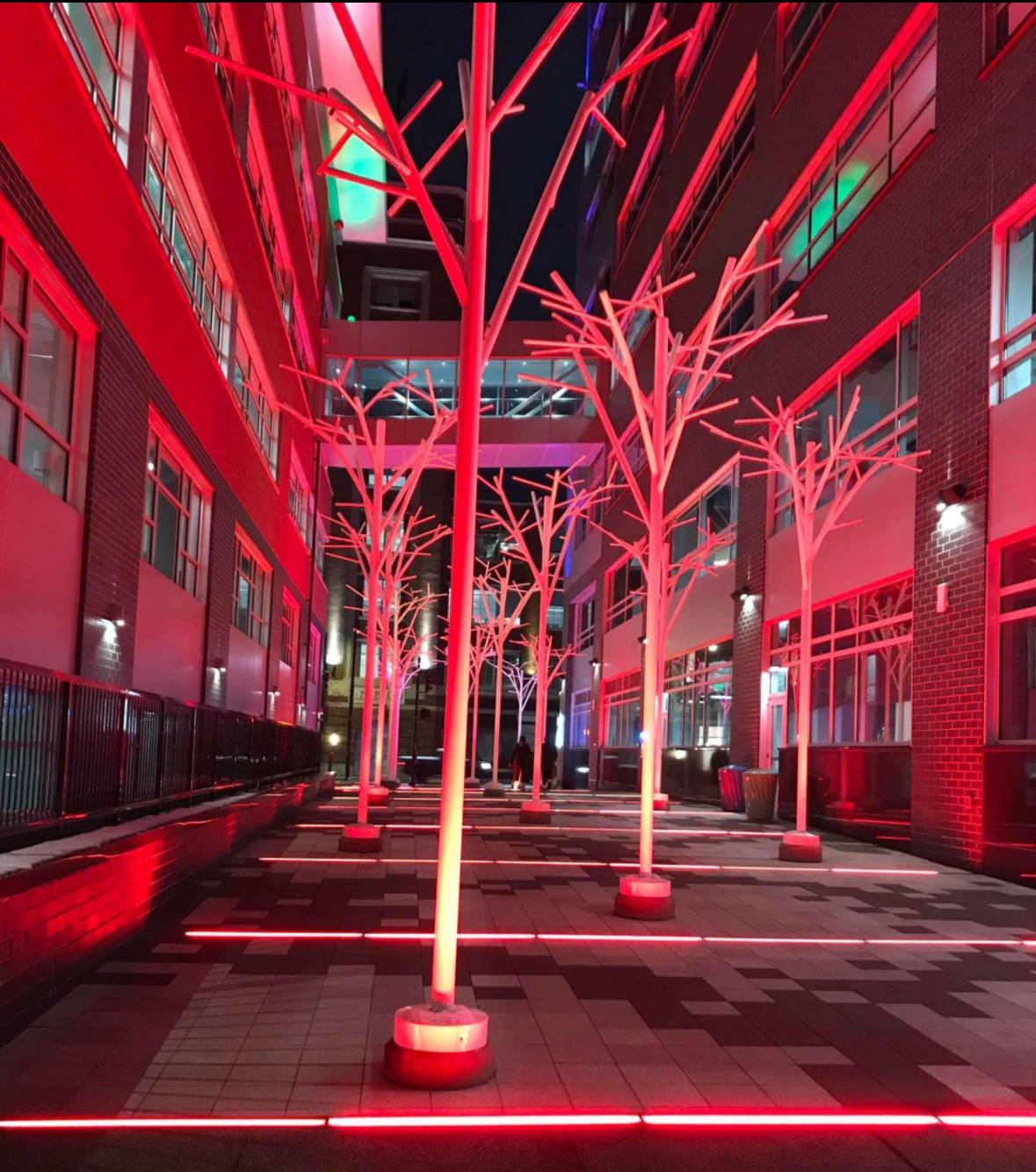
Commercial Construction & Retrofitting
Commercial construction and retrofitting focus on the electrical systems that power offices, schools, healthcare facilities, retail spaces, and other everyday buildings.
This work includes both building new spaces and updating existing ones to meet modern technology, safety, and energy standards. In some cases, commercial spaces may also be adapted to support growing technology needs, including smaller-scale data and server environments.
Projects can range from small renovations to large commercial developments and often involve working in active spaces where buildings are still in use.
Examples include:
Office buildings and corporate spaces
Retail spaces, restaurants, and small businesses
Schools, universities, and healthcare facilities
Tenant fit-outs and interior renovations
Lighting upgrades and energy efficiency improvements
Electrical system upgrades in existing buildings
Mixed-use and commercial developments
This sector connects electrical work directly to the places people interact with every day.
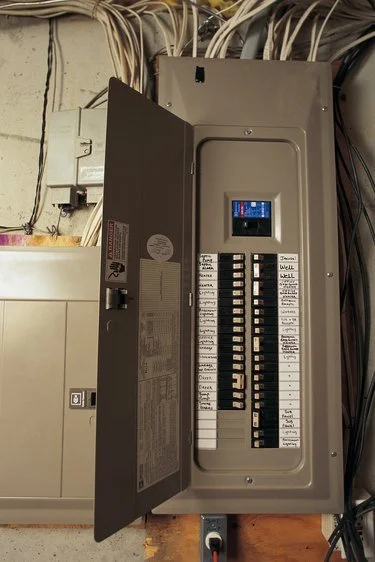
Residential Construction & Retrofitting
Residential construction and retrofitting focus on the electrical systems that power homes and housing developments. This includes both new construction and upgrades to existing homes.
Electrical work in this sector supports comfort, safety, and functionality for homeowners, while also adapting to new technology and energy efficiency standards.
Projects can range from single-family homes to large residential developments and apartment buildings.
Examples include:
Single-family homes
Multifamily housing and apartment buildings
Residential developments and neighborhoods
Service upgrades and panel replacements
Lighting and wiring installations
Smart home and energy-efficient systems
Renovations and electrical updates in existing homes
This sector represents one of the most familiar and visible areas of electrical construction.
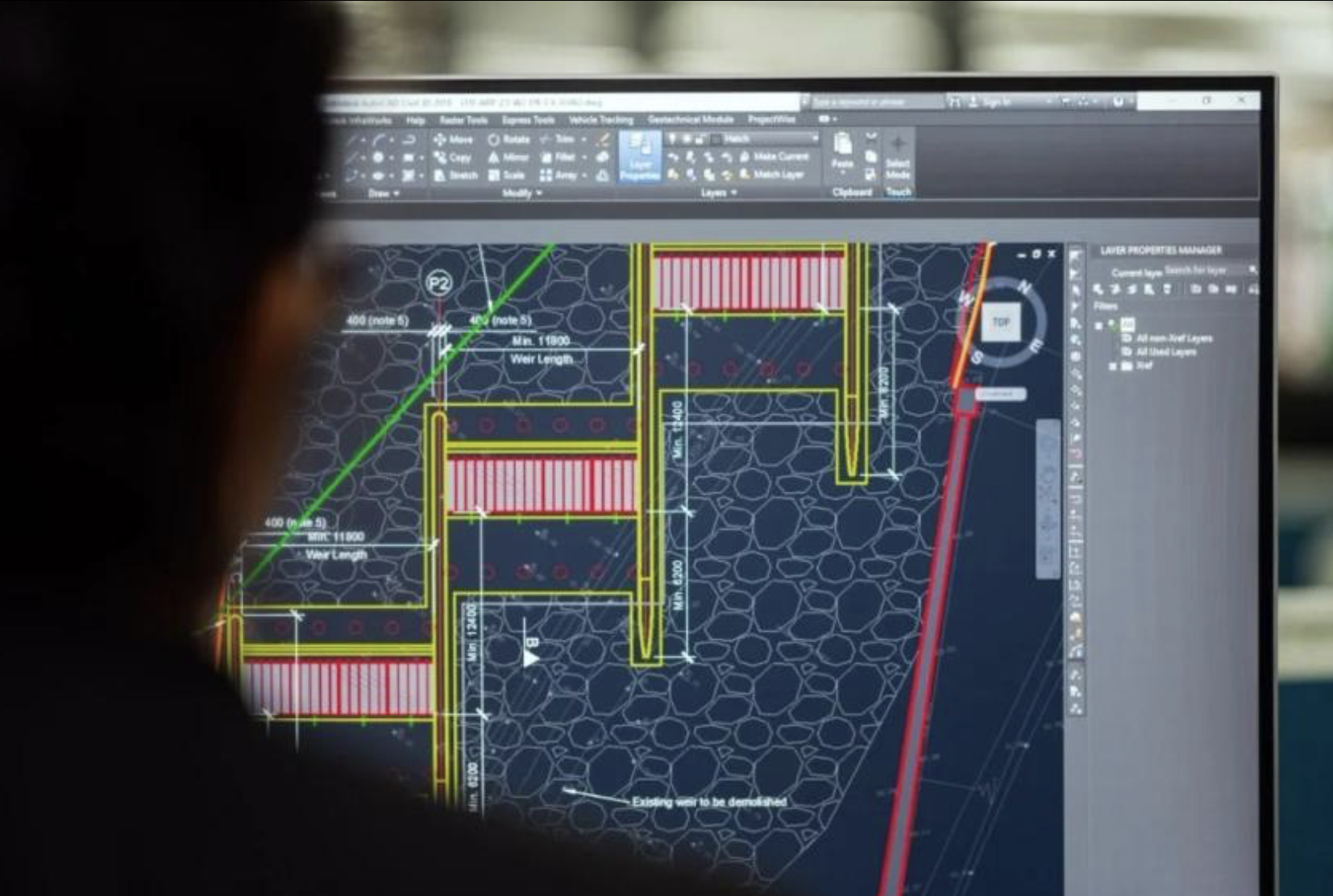
Estimating, Engineering & Project Management
Electrical construction relies on a wide range of office-based roles that support planning, design, coordination, and execution of projects from start to finish.
This includes highly technical environments like data centers, where estimating, engineering, and project management teams help design systems that meet strict performance, reliability, and redundancy requirements.
Professionals in this sector work closely with field teams, contractors, and clients to ensure projects are designed correctly, priced accurately, and delivered successfully.
Examples include:
Electrical estimating and cost analysis
Project management and coordination
Electrical engineering and system design
Preconstruction planning and scheduling
Virtual Design and Construction (VDC)
BIM (Building Information Modeling) and layout coordination
Procurement and materials planning
These roles play a critical part in ensuring projects are successful—especially in complex, high-demand environments.
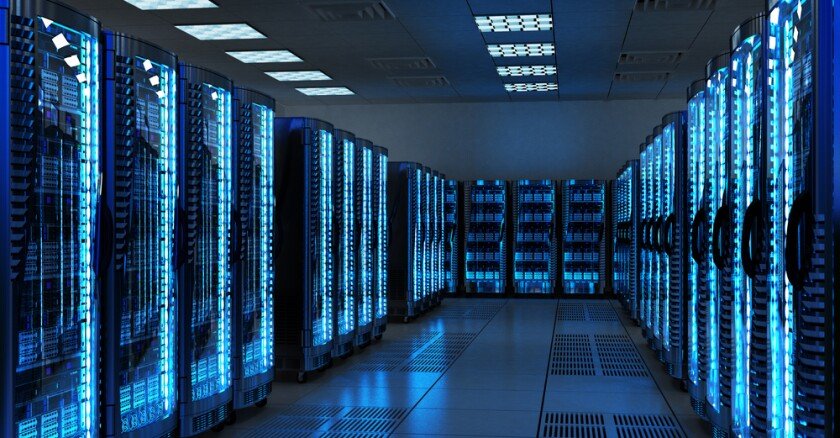
Technology Systems, Service & Maintenance
Electrical work doesn’t stop when construction is complete. This sector focuses on the systems and services that keep buildings and infrastructure operating safely and efficiently over time.
This includes maintaining and upgrading systems in environments like data centers, where reliability, monitoring, and rapid response are critical to keeping systems online.
It also includes the growing role of technology systems that support modern buildings, from communications networks to smart controls and automation.
Examples include:
Low-voltage and communications systems
Fire alarm, security, and data networks
Building automation and smart controls
Industrial automation and operational technology
Electrical testing and commissioning
Preventive maintenance and inspections
Troubleshooting, repairs, and emergency service
This sector plays a key role in keeping systems running, adapting to new technology, and supporting high-performance environments.